Khan Academy founder Sal Khan wants to create an alternative to Harvard-Stanford
Sal Khan the Bangladeshi-born founder of Khan Academy believes the traditional higher education system is broken. He is now envisioning a new type of education model that could be comparable to earning a degree from elite universities such as Harvard University or Stanford University.
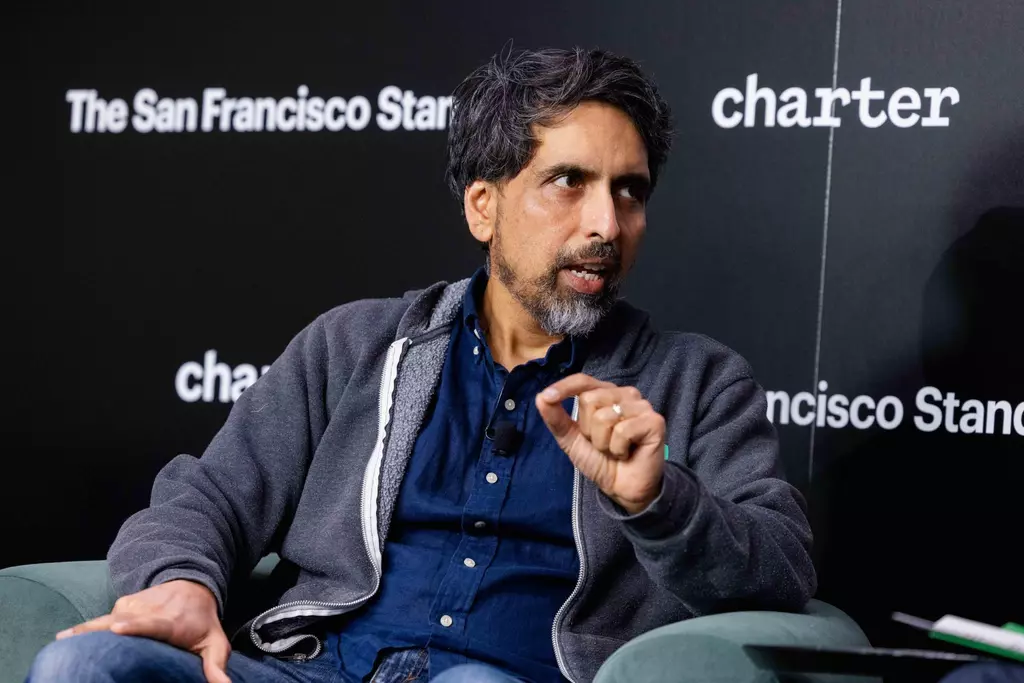
Speaking at the “Leading with AI” event in San Francisco, Khan said that students who complete this proposed program could be considered equivalent to graduates from those top institutions.
The program is expected to cost around $5,000—far less than the roughly $400,000 total cost of attending a top U.S. university. Khan emphasized the potential impact, saying that students could receive the same level of recognition at a fraction of the price.
According to Khan, the curriculum would focus on practical workplace skills. Khan Academy also aims to partner with major companies to create direct employment pathways for graduates, potentially opening recruitment opportunities at firms like McKinsey & Company, Google, and Goldman Sachs.
Details about the curriculum, launch timeline, and certification structure have not yet been released. However, the program is expected to combine virtual instruction, AI-based learning, self-paced study, and live classes. Khan also stressed that teachers will remain essential even as technology advances.
Interest in technical education is rising as many students reconsider the value of a traditional four-year degree. Artificial intelligence is reshaping the job market, MBA costs continue to climb, and employment outcomes no longer match past expectations. Despite this, many large companies still recruit primarily from elite universities.
A recent survey found that in 2025, 26% of employers hired exclusively from selected universities, up from 17% in 2022. As campus recruitment narrows, students often aim for elite schools—even turning down full scholarships elsewhere—because those institutions attract top employers.
Admission rates at Harvard and Stanford have fallen below 4%, placing them out of reach for most applicants. Many graduates also leave with significant debt, yet may still lack practical workplace skills.
In a podcast interview, Khan described his ambition to transform Khan Academy into a global institution accessible to anyone who is capable of succeeding. While acknowledging the quality of elite universities, he argued that their education is not widely accessible.
His vision is a worldwide institution open to all qualified learners: “If you are capable, we will have enough space for you,” he said.
The central question remains: in the future, will degrees matter more or skills?