Brac University VC Attended the China-Bangladesh Partnership Forum–Dhaka Dialogue at North South University
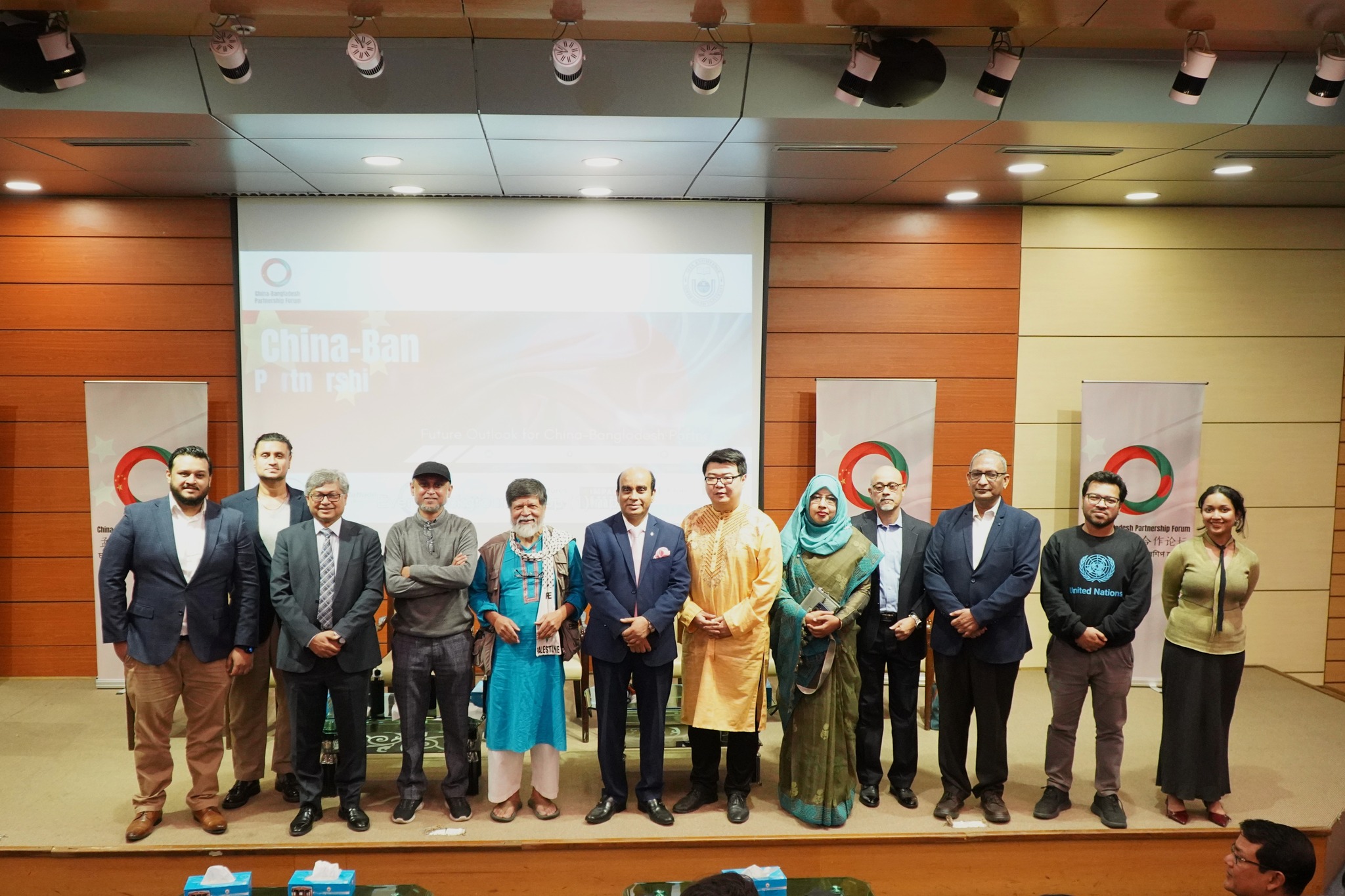
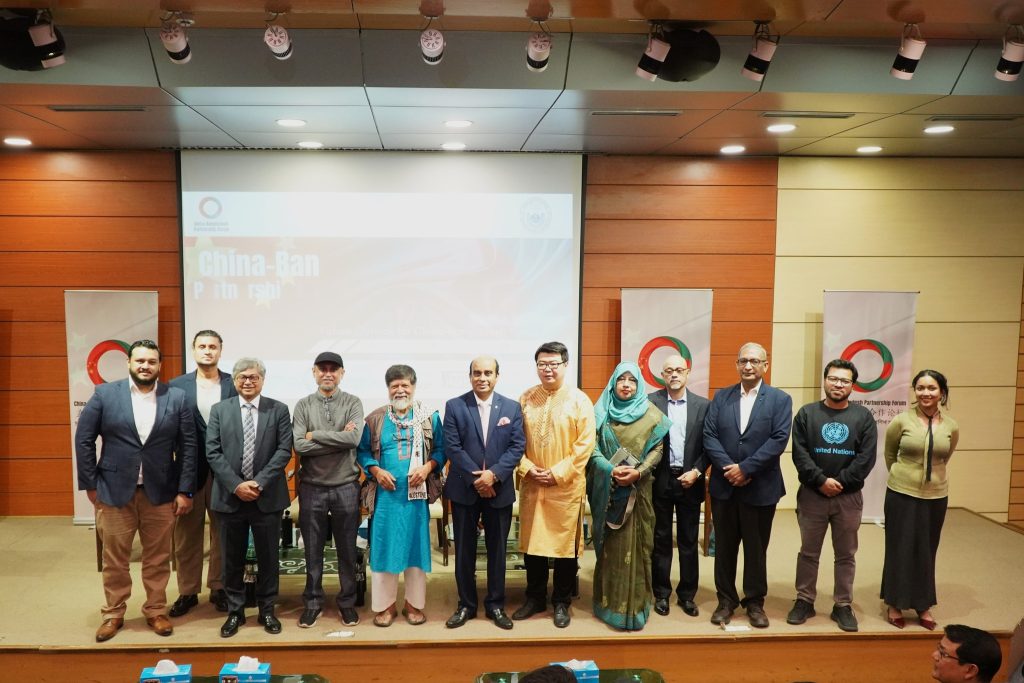
North South University (NSU) hosted the China–Bangladesh Partnership Forum—Dhaka Dialogue on 28 January 2026, bringing together policymakers, academics, business leaders, investors, cultural practitioners, and youth representatives to explore the future direction of the China–Bangladesh partnership.
This forum attracted participation from investors, social and cultural leaders, academics, and young professionals from across the country, reflecting the growing interest in deepening bilateral engagement through economic, academic, and cultural collaboration.
Distinguished guests included Mostofa Sarwar Farooki, Adviser to the Ministry of Cultural Affairs; Shahidul Alam, Founder of Drik Picture Library and Board Member of the China–Bangladesh Partnership Forum; Benajir Ahmed, Member and former Chairman of the Board of Trustees of NSU; Abdul Hannan Chowdhury, VC of North South University; Syed Ferhat Anwar, VC of Brac University; Professor Anwar Hossain, Advisor and Dean (in charge), Faculty of Business Administration, American International University-Bangladesh; Sohel Ahmed, Chief Executive of WePOWER, BNC; Tajdin Hassan, Chief Business Officer of The Daily Star; Professor Farhana Ferdousi, Associate Professor and Director of Southeast Business School, Southeast University; Osman Dhali, Chief Operating Officer of YY Ventures; Daniel Afzalur Rahman, Director of Production at Bangladesh Shilpakala Academy; Faisal Rahman, Managing Director of Parallel 2 Stairs; and Alex Wang, Secretary General of the China–Bangladesh Partnership Forum, among others.
In his welcome address, Professor Abdul Hannan Chowdhury emphasized the long-standing trade and cultural ties between Bangladesh and China and highlighted the importance of strengthening business communication and collaborative ecosystems. He noted NSU’s academic partnerships with Chinese institutions and pointed out that NSU hosts South Asia’s first Confucius Institute, underscoring the university’s commitment to academic and cultural exchange.
Benajir Ahmed stressed the need for closer cooperation between the two countries to respond to evolving global business demands. He highlighted China’s critical role as a major supplier to Bangladesh’s garment industry and its vast consumer market, which presents significant opportunities for expanding bilateral trade.
Shahidul Alam underscored the deep cultural connections between Bangladesh and China but called for more structured collaboration. He emphasized the importance of skills development, data-sharing partnerships, technology transfer, and practical, outcome-oriented cooperation beyond symbolic engagements.
Adviser Mostofa Sarwar Farooki highlighted the importance of cultural understanding alongside economic cooperation. He noted Bangladesh’s untapped potential to promote its cultural assets globally through music, food, films, and other creative industries, which could significantly enhance the country’s international cultural presence.
Brac University VC Syed Ferhat Anwar emphasized the importance of geopolitical understanding in strengthening bilateral relations and pointed to academic collaboration as a key driver of knowledge advancement and long-term partnership building.
Professor Anwar Hossain remarked that strong partnerships are built not only on trade and investment but also on academic exchange, cultural understanding, and mutual respect. He highlighted the potential role of private universities in research, artificial intelligence, and cross-border knowledge sharing.
Event featured a panel discussion titled “Building a Platform for China–Bangladesh Partnership”, moderated by Alex Wang. Panelists from the private sector, media, academia, and entrepreneurship discussed investment opportunities, innovation, digital transformation, and the role of institutions in fostering inclusive and sustainable growth.
By hosting the forum, North South University reaffirmed its position as a leading academic institution committed to international engagement, policy dialogue, and contributing to national and regional development through knowledge-driven initiatives.