American International University-Bangladesh with Eastern University
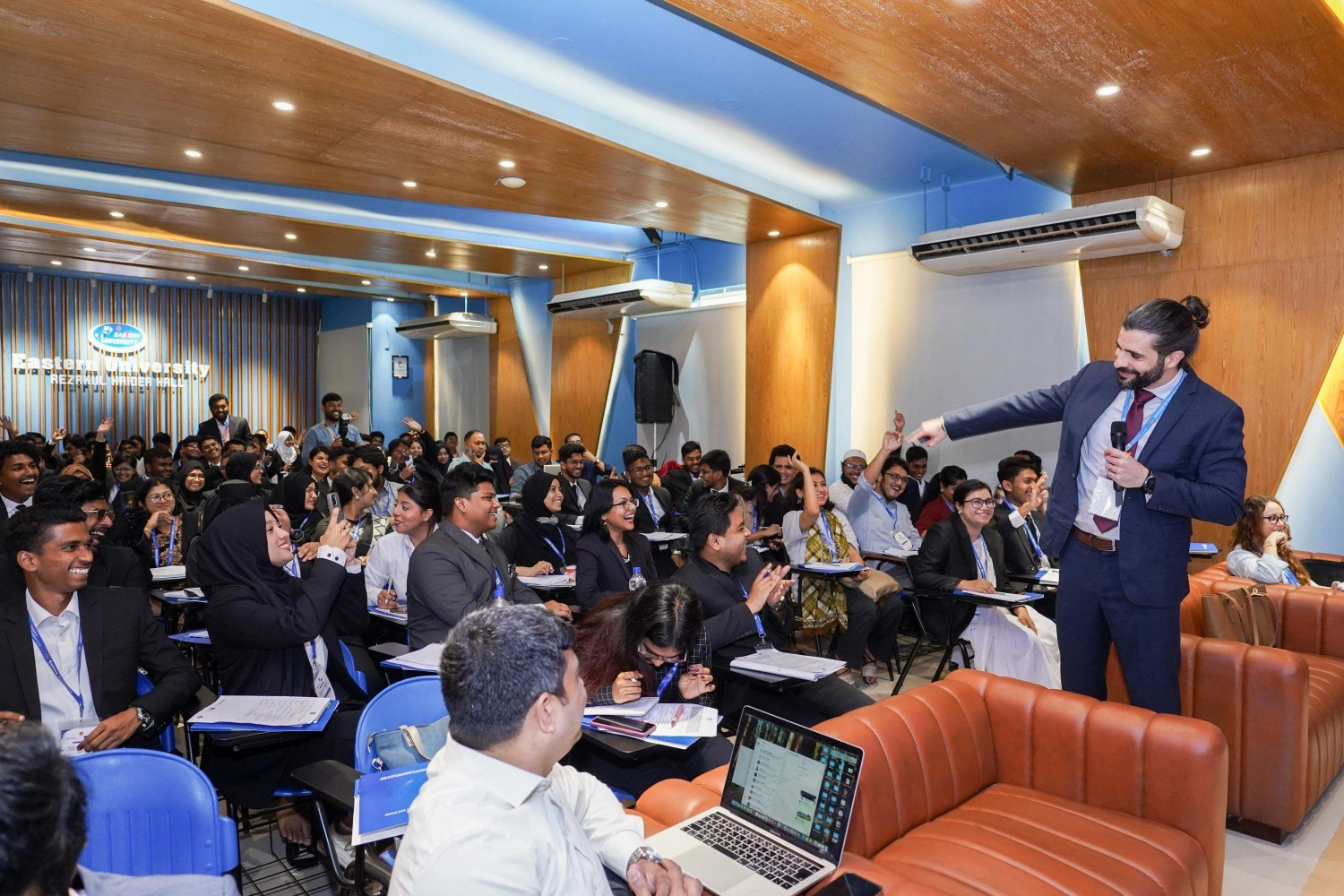
On 02 May 2026, the Department of Law of American International University-Bangladesh participated in the “Workshop on Trafficking in Persons and Smuggling of Migrants: Building a Youth Network,” held at Eastern University, Ashulia Model Town, Savar, Dhaka. The university was represented by Assistant Professor Ms. Ferdousi Begum and two students, Ms. Sajida Selim and Mr. Yousuf Haque Sami. The workshop was organized by United Nations Office on Drugs and Crime (UNODC) in collaboration with Eastern University and funded by the European Union. The program commenced at 9:00 AM and continued until 3:45 PM.
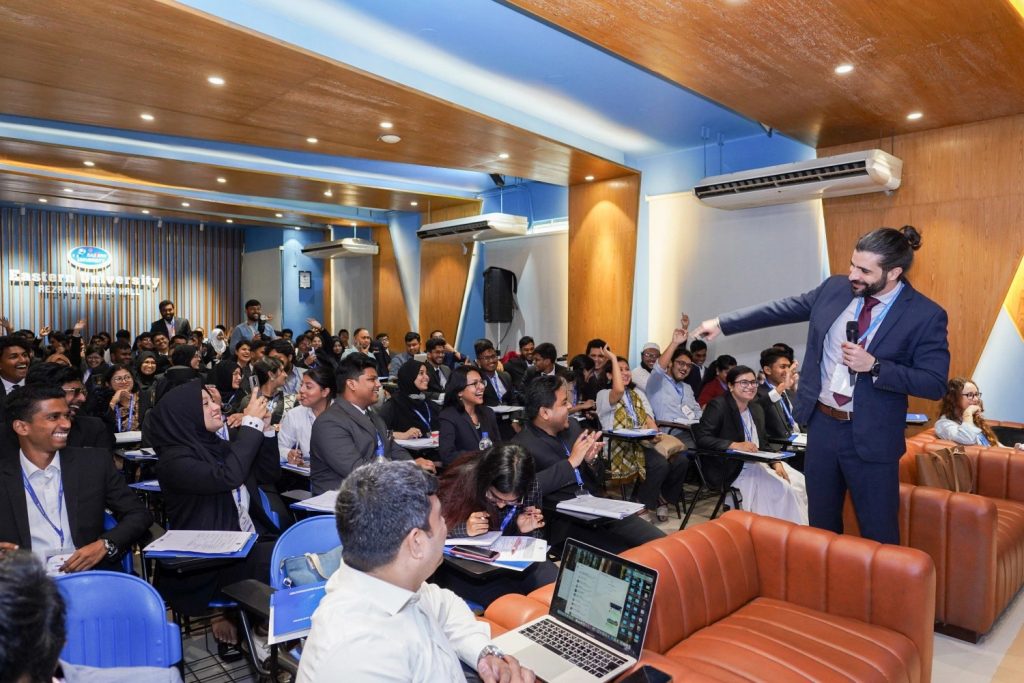
The primary objective of the workshop was to raise awareness among university students regarding trafficking in persons (TIP) and smuggling of migrants (SOM), while also developing a strong youth network capable of contributing to the prevention of such crimes. The event further aimed to familiarize participants with the UNODC Education for Justice (E4J) university-level modules and enhance their understanding of human rights, legal frameworks, and both national and international challenges related to trafficking and migrant smuggling.
The workshop began with an opening session where Mr. Mohammad Mamunur Rashid, Head of the Department of Law at Eastern University, delivered the opening remarks. Mr. Marcus Vinicius PAES, Law Enforcement Advisor of UNODC, addressed the participants and emphasized the crucial role of youth engagement in combating trafficking and migrant smuggling. Welcome remarks were delivered by Mr. A.B.M. Imdadul Haque Khan, Dean of the School of Law, Eastern University. Ms. Tasneem Binta Karim, National Programme Coordinator of UNODC, explained the objectives and significance of the workshop. The Chief Guest, Prof. Dr. Farid A. Sobhani, Vice-Chancellor of Eastern University, delivered an inspiring speech encouraging students to uphold social justice and human rights.
Following the inauguration, several technical sessions were conducted. The first session introduced the UNODC project on preventing and addressing trafficking in human beings and the smuggling of migrants, along with the Education for Justice modules. Another session focused on defining trafficking in persons and smuggling of migrants, highlighting the distinctions between the two crimes, their causes, and their impacts on individuals and society.
An important session addressed the human-rights-based approach to trafficking in persons, where participants learned about the protection of victims’ rights, dignity, and safety, as well as the responsibilities of governments and organizations in supporting victims. The workshop also included a detailed discussion on the trends and investigation of trafficking and migrant smuggling in Bangladesh. Speakers outlined the current situation in the country, the methods employed by traffickers, and the challenges encountered by law enforcement agencies.
A separate session was devoted to the legal framework for combating human trafficking in Bangladesh. Participants gained knowledge about relevant national laws, international conventions, and legal mechanisms aimed at preventing trafficking and protecting victims.
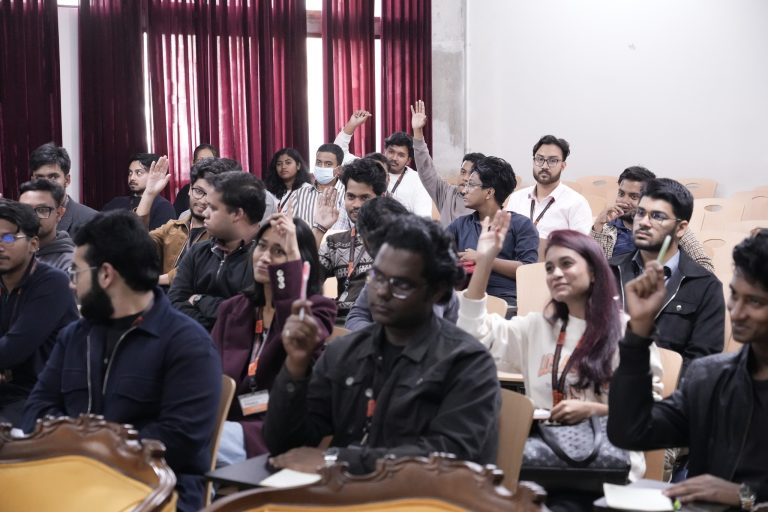
One of the most engaging segments of the workshop was the group work and open discussion session. Participants exchanged opinions, analyzed practical issues, and proposed possible solutions to prevent trafficking and migrant smuggling. This interactive session significantly enhanced the students’ analytical, communication, and teamwork skills.
After the lunch and prayer break, a quiz competition was organized based on the technical sessions to evaluate participants’ understanding and encourage active engagement throughout the program.
The closing session featured remarks from Mr. Marcus Vinicius PAES and Ms. Rebeka Khan, Joint Secretary of the Ministry of Home Affairs, Bangladesh Secretariat. They appreciated the enthusiastic participation of students and stressed the importance of youth awareness and cooperation in addressing trafficking and migrant smuggling.
The workshop concluded with a certificate distribution ceremony, followed by a vote of thanks delivered by Mr. A.B.M. Imdadul Haque Khan and a group photo session. Snacks were later served, marking the official end of the event.
Overall, the workshop proved to be highly informative, interactive, and educational. It successfully enhanced participants’ awareness and understanding of trafficking in persons and smuggling of migrants while encouraging students to become responsible and proactive members of society dedicated to promoting human rights and preventing these crimes within their communities.