North South University vs Brac University
First dawn of the Bengali New Year carries with it a strange emotion—an indescribable call for renewal. Even amid the relentless rhythm of city life, everything seems to pause for a moment, turning gently toward its roots. Dressed in red and white, surrounded by the scent of panta and hilsa; and walking along streets painted with Alpana, people embrace Pahela Boishakh as a timeless celebration of Bengali identity.
On university campuses—the very heart of youth—this festival takes on an even more vibrant and colorful form. Whether at North South University’s modern grounds or the architectural elegance of Brac University, Pahela Boishakh has evolved beyond a simple celebration into a grand cultural expression. Reflecting on last year’s festivities and the preparations underway this year reveals how deeply this tradition continues to thrive.
Last year, North South University hosted the “Baishakhi Mela 1432” across its playground—an event that transformed the campus into a slice of rural Bengal. Organized by the Social Service Club, the fair featured 36 stalls showcasing traditional food, handicrafts, and cultural artifacts. The spinning Nagar Dola, the charm of the Bioscope, and the simplicity of puppet shows created a nostalgic atmosphere. The day began with a colorful procession that circled the campus, spreading festive spirit everywhere.
More than entertainment, the event became an emotional reconnection with heritage. Students, teachers, and staff participated wholeheartedly, dissolving boundaries in a shared cultural experience. As one participant Fabia reflected, the fair was not merely a program but an opportunity to rediscover roots. The pride and joy were evident in every face as the procession concluded the day.
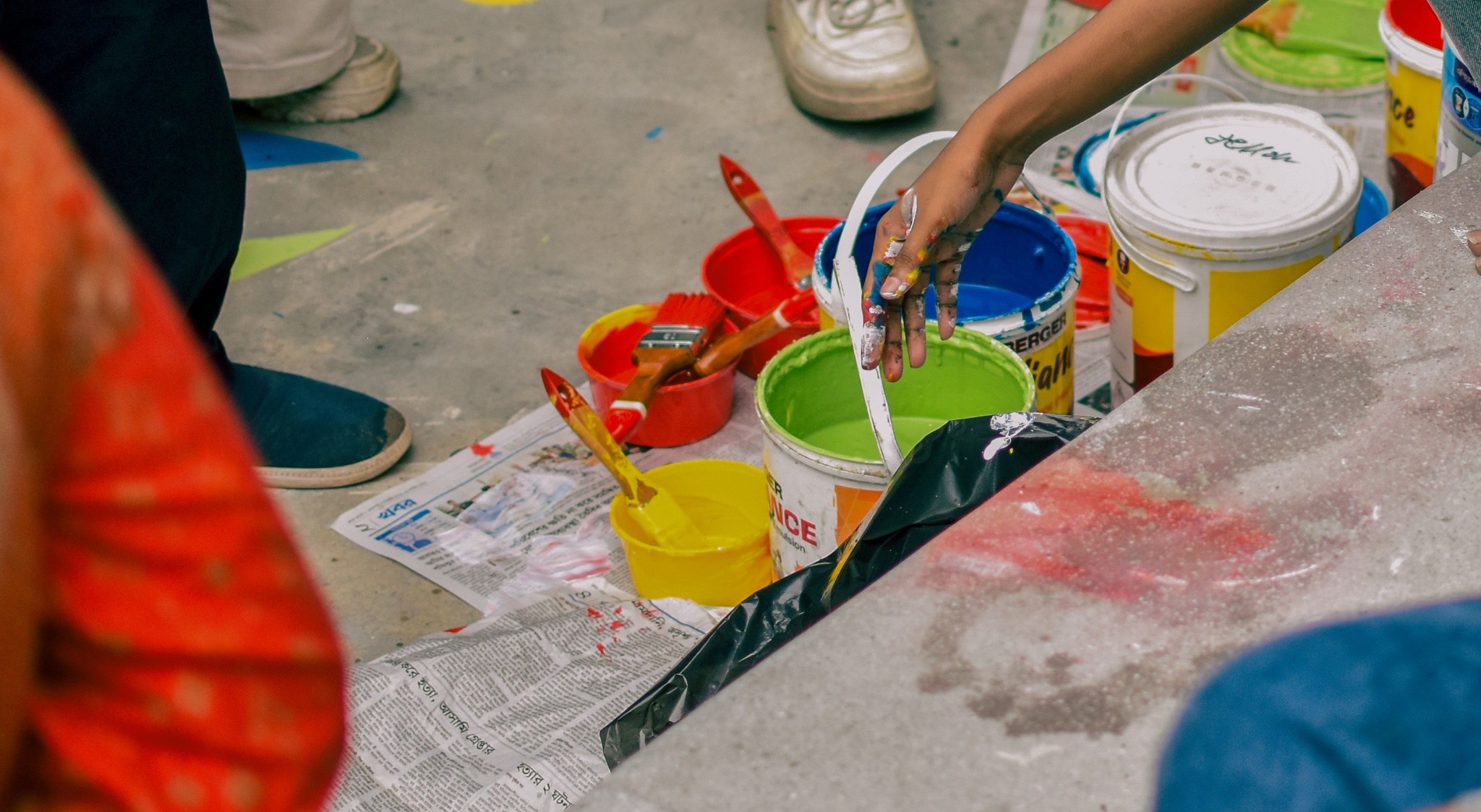
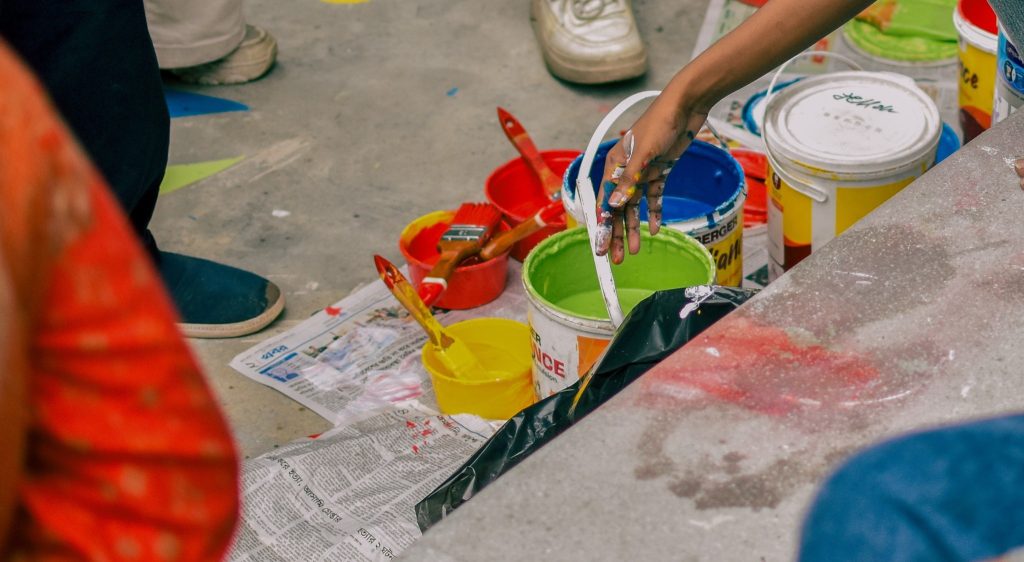
Building on that success, North South University is preparing for “Baisakhi Festival 1433” on an even larger scale. The campus has already begun to transform, adorned with folk motifs crafted from cork sheets and colored paper. This year promises greater diversity in stalls, an expanded cultural stage, and performances of folk songs and dances. The aim is clear—to elevate last year’s joy into something even more immersive and memorable.
Meanwhile, Brac University offers a distinct yet equally captivating narrative. Last year, its campus transformed into what felt like a rural courtyard. Lantern-lit spaces and Alpana-covered grounds created an intimate, nostalgic setting. The resonance of Baul music and folk melodies echoed through the modern structures, blurring the line between urban architecture and rural heritage. For a moment, the campus felt less like Merul Badda and more like the soulful landscapes of Lalon or Hason Raja.
This year, Brac University is expanding its celebration into a two-day festival. The first day will begin with a vibrant procession, followed by festivities at Battala, including rural games, cultural performances and a lively fair. Students will explore stalls, enjoy traditional food and immerse themselves in the celebratory atmosphere.
The second day will feature a diverse lineup—film screenings, puppet shows, discussions, pantomimes, Dhamail performances, debates, and stage plays. One of the most anticipated highlights is the rooftop celebration, where a green, open space will be transformed into a rural setting. This unique blend of modern architecture and traditional ambiance promises an unforgettable experience—standing close to the sky, feeling the Boishakhi breeze in a recreated village atmosphere.
In essence, while both universities beautifully showcased the spirit of Boishakh last year, this year introduces new dimensions of scale, creativity, and diversity. Student participation and collaborative efforts are redefining the festival—not just as an event, but as a living expression of cultural identity.
Pahela Boishakh is more than a day; it is a legacy carried forward through generations, constantly renewing itself with fresh enthusiasm. University campuses have become vibrant centers of this continuity, where tradition meets youth, and the new year is welcomed with joy, heritage and love.


